
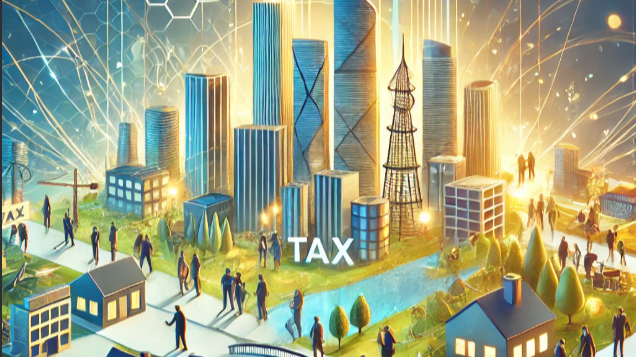
Taxation has long been recognized as the backbone of a nation’s financial system. It is not merely a means of collecting money from citizens but also a critical instrument for driving sustainable economic development and ensuring social welfare. When citizens contribute through taxes, they empower governments to provide essential services, build infrastructure, and create opportunities that foster national progress. Without taxation, a country would struggle to achieve stability, growth, and equity.
This article explores the importance of taxation in promoting national advancement, the challenges associated with tax compliance, and how effective tax systems can build stronger nations.
The Role of Taxation in National Development
Taxes are the lifeline of a government’s budget. They fund schools, hospitals, roads, defense, and countless other services that shape a nation’s well-being. A well-structured taxation system ensures that resources are distributed fairly and that the government has the capacity to fulfill its responsibilities.
-
Funding Public Infrastructure
Roads, bridges, airports, and seaports are built with taxpayers’ money. These infrastructures support commerce, trade, and daily mobility, ensuring economic activity flows efficiently. Without adequate tax collection, maintaining and upgrading infrastructure would be nearly impossible. -
Supporting Social Services
Education, healthcare, and welfare programs are among the most crucial services funded by taxes. By ensuring access to quality education and healthcare, a nation invests in its people—the true drivers of long-term growth. -
Promoting Economic Growth
Taxes are often used to fund projects that stimulate investment, create jobs, and strengthen industries. For example, governments may allocate tax revenues to support small and medium enterprises (SMEs) or provide subsidies for innovation. -
Ensuring National Security
Defense systems, law enforcement, and emergency response agencies depend heavily on tax funding. Without sufficient resources, a nation would face vulnerability in protecting its citizens and sovereignty.
Why Tax Compliance Matters
Tax compliance is not just a legal duty but also a civic responsibility. When individuals and businesses fulfill their tax obligations, they contribute to a collective pool of resources that benefits everyone. Non-compliance, on the other hand, undermines a nation’s ability to grow.
-
Individual Contribution
Every citizen, regardless of income level, plays a part in nation-building. Even small contributions add up to significant resources for development. -
Corporate Responsibility
Businesses thrive because of the infrastructure, workforce, and stability provided by the government. Therefore, corporations must fulfill their tax responsibilities to ensure a cycle of growth and reinvestment in the community. -
Fair Distribution of Wealth
Taxes, when managed properly, can reduce inequality. Progressive taxation systems ensure that those who earn more contribute more, balancing economic disparities.
Other Reading: Peran Pengabdian Masyarakat di Perpajakan untuk Maju Bangsa
Challenges in Taxation
Despite its importance, taxation often faces resistance. Some individuals and businesses view taxes as a burden rather than an investment in collective welfare. Common challenges include:
-
Tax Evasion
Many people attempt to hide income or underreport earnings, leading to significant revenue losses for governments. -
Corruption and Mismanagement
Citizens may lose trust in the tax system if revenues are misused. Transparency and accountability are essential to maintain public confidence. -
Informal Economies
In many countries, large portions of the economy operate outside the formal tax system, making it difficult to collect accurate revenues. -
Complex Tax Laws
Complicated regulations often discourage compliance. Simplified and digitalized tax systems can encourage more citizens to pay willingly.
Building a Stronger Tax System for Progress
To ensure taxation contributes effectively to national progress, governments must establish transparent, fair, and efficient tax systems. Some key strategies include:
-
Transparency and Accountability
Citizens are more willing to pay taxes when they see clear evidence of how their money is being used. Publishing annual reports and ensuring open access to government spending builds trust. -
Digital Transformation
Online tax filing and payment systems reduce complexity, increase efficiency, and minimize corruption. Digitalization also improves tax collection from small businesses and freelancers. -
Public Awareness and Education
Educating citizens on the importance of taxes helps shift perceptions from seeing taxation as a burden to recognizing it as a civic duty. Campaigns and school programs can instill this mindset from an early age. -
Fair Taxation Policies
Governments must design policies that do not overburden one segment of society while neglecting others. A balanced taxation approach ensures fairness and inclusivity.
The Link Between Taxes and Nation-Building
History shows that countries with effective tax systems often enjoy stronger economies and higher standards of living. Nations that invest heavily in education, healthcare, and innovation—funded by tax revenues—tend to produce skilled workforces and thriving economies.
For example, developed nations such as those in Scandinavia have high tax rates but also provide world-class welfare systems, excellent infrastructure, and economic security for their citizens. This balance demonstrates how taxation, when properly managed, can directly translate into prosperity and progress.
Taxation is more than just a financial obligation—it is a shared responsibility and a powerful tool for building national progress. Through taxes, governments fund essential services, promote equity, and create opportunities for future generations. While challenges such as evasion and corruption remain, the key lies in fostering trust, transparency, and efficiency within the taxation system.
Every citizen who contributes to taxation is an active participant in shaping their nation’s destiny. By embracing taxation not as a burden but as an investment, societies can ensure sustainable development, stronger economies, and a brighter future for all.
Source: www.rs-agung.id
0 Comments